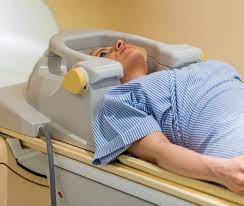

Radiation therapy is the term for treatment types that use radiation to destroy or shrink cancer cells and tumors.
The two main types of radiation therapy for treating cancer are external beam radiation and internal radiation therapy.
The type of radiation that a doctor recommends will depend on the type of cancer, the size and location of the tumor, and the person’s general health.
Radiation therapy may help meet different treatment goals. For instance, it may enhance the effectiveness of surgery, help prevent the spread of cancer, or relieve symptoms of advanced cancer.
This article discusses the different types of radiation therapy, including how they work and the side effects and risks. It also explains what a person can expect from radiation therapy and the likely outcome.
What is radiation therapy?
Radiation therapy is a type of cancer treatment that uses high energy beams to destroy cancer cells and shrink tumors.
The American Cancer Society (ACS)Trusted Source notes that more than half of people with cancer receive radiation therapy.
Radiation damages genetic material called DNA inside of cancer cells. If the cancer cell cannot repair the DNA, the cell will not be able to produce new cells and may die.
The radiation may injure noncancerous cells, but most are able to recover, according to the ACSTrusted Source.
A person’s treatment team will carefully plan radiation therapy to minimize damage to normal tissues and organs.
Types of radiation therapy
There are two broad types of radiation therapy that doctors use to treat cancers: internal and external.
External beam radiation
External beam radiation is the most commonTrusted Source type of radiation treatment for cancer.
External means that the energy beams come from a machine outside of the body. A healthcare professional precisely aims the beams, which penetrate the body to reach the cancer site.
Another name for external beam radiation is teletherapy.
Internal radiation therapy
The second main type of radiation treatment is internal radiation therapy, also known as brachytherapy.
During this treatment, a doctor places an implant containing radiation in or near the cancer site.
The implants come in different shapes, which includeTrusted Source:
tube
wire
capsule
seeds
pellets
Systemic radiation therapy
Systemic radiation therapy is another kind of internal radiation therapy.
It requires a person to swallow a radioactive substance, which travels throughout the body to find and kill the cancerous cells.
Alternatively, a healthcare professional may inject the radioactive substance into a person’s vein.
How it works
External beam radiation and brachytherapy work similarly. Both are local therapies that work on one part of the body, directing high energy beams at cancer cells to destroy them.
However, the two therapies differ in the source of the radiation.
In brachytherapy, the radiation comes from an implant that a doctor places near or in a tumor. In external beam radiation, the radiation comes from a machine outside of the body.
Why people receive radiation therapy
A doctor may recommend radiation therapy for several purposes. These includeTrusted Source:
reducing or curing early stage cancer
stopping cancer from spreading to another part of the body
treating cancer that has returned
relieving symptoms of advanced cancer
Types of cancer it treats
The National Cancer Institute (NCI)Trusted Source notes that doctors commonly use external beam radiation to treat the following types of cancer:
breast cancer
lung cancer
prostate cancer
colon cancer
cancers of the head or neck
The NCI suggests that brachytherapy may be an especially effective treatment for cancers in certain parts of the body, including the:
cervix
vagina
uterus
rectum
head and neck
eye
A doctor may also recommend brachytherapy for cancers of the:
prostate
brain
lung
skin
breast
esophagus
anus
bladder
What to expect before radiation therapy
External beam radiation therapy and brachytherapy both start with a meeting to plan the treatment.
A doctor will examine the individual, ask about their health, and discuss the therapy. In some cases, they may request imaging.
A person who decides to have external beam radiation will typically meet with a radiation oncologist and a radiation therapist for a planning session called a simulation.
The radiation therapist may put small marks on the person’s skin to show where to direct the energy beams. These marks can be eitherTrusted Source temporary or in the form of a tattoo.
In addition, healthcare professionals may create a body mold that they use to ensure that a person is in the correct position when receiving radiation therapy.
If a person is receiving radiation therapy to the head or neck, they may need to use a face mask to keep their head in place during treatment.
What to expect during radiation therapy
What to expect during radiation therapy will differ depending on which type of therapy a person receives.
External beam radiation
During an external beam radiation therapy session, a person will typically lie on a table beneath a large machine.
The radiation therapist will position the individual in the machine and then go into a separate room.
Although the person must try to stay still during the treatment, they generally do not have to hold their breath. The machine will make whirring, clicking, and vacuum cleaner-like noises.
A speaker system in the room allows the person to talk with the radiation therapist during the treatment.
Internal radiation therapy
During brachytherapy, a person’s treatment team will use a tube called a catheter or a larger device called an applicator to insert the radioactive implant.
Once the catheter or applicator is in position, the doctor will place the radiation source inside it.
In some cases, the implant may remain in the body for up to a few daysTrusted Source before the doctor removes it.
In others, the doctor may place the implant in the body for a shorter time, such as 10–20 minutes, and repeat the treatment periodically for as long as several weeks.
Once the course of treatment is complete, the doctor will remove the catheter or applicator.
Sometimes an implant remains in the body permanently, but it will stop releasing radiation after some time.
MEDICAL NEWS TODAY NEWSLETTER
Knowledge is power. Get our free daily newsletter.
Dig deeper into the health topics you care about most. Subscribe to our facts-first newsletter today.
Enter your email
Your privacy is important to us
Alongside other cancer treatments
When doctors use radiation therapy alongside other treatments, such as surgery or chemotherapy, they call it adjuvant treatment.
Some people might receive radiation therapy before surgery to shrink a tumor and make it easier to remove. Other individuals might receive it after surgery to destroy cancer cells that the surgery may have missed.
Sometimes, doctors use radiation therapy as part of palliative care to help relieve symptoms of advanced cancer. These may includeTrusted Source:
pain
breathing problems
difficulty swallowing
bowel blockages
Side effects and risks
The ACSTrusted Source states that the most common side effects from radiation therapy are:
extreme fatigue
loss of appetite
skin irritation in the treated area
However, it notes that a person receiving radiation treatment can take steps to relieve these side effects.
People with fatigue can try:
performing necessary tasks when they are feeling their best
placing frequently used items within easy reach
finding ways to relax, such as reading, deep breathing, or listening to music
asking others for help, if possible
balancing rest and activity and taking only short naps throughout the day, if necessary, to avoid interruptions to sleep
engaging in physical activity each day
eating high protein foods, such as eggs, milk, beans, and meat
staying hydrated by drinking enough water
talking to a doctor if it is possible that depression is contributing to fatigue
If skin irritation occurs, a person can try:
wearing soft, loose-fitting clothes
avoiding scrubbing or scratching the affected area
using lukewarm water and mild soap to wash
protecting the irritated area from the sun
avoiding using hot or cold treatments, such as heating pads or ice packs, on the treated skin
refraining from using shaving lotions or hair removal products on the treated area
consulting the care team before applying any lotions, creams, powders, ointments, or home remedies to the affected area
People experiencing appetite loss may find the following beneficial:
eating five or six small meals a day rather than three larger ones
eating when hungry, even if it is not at a scheduled meal time
having company during meals or turning on the TV or radio
keeping healthy snacks within easy reach
drinking liquid supplements, if suitable
adding calories to vegetables in the form of sauces or melted cheese
letting others prepare meals, if an option

Comments: 0
Post a Comment