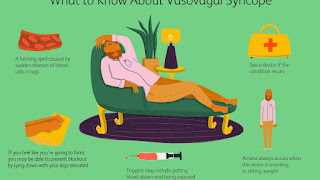

The vagal response occurs when the vagus nerve is stimulated. The vagus nerve is the longest nerve in the body. It runs from the brain stem to the chest and abdomen.
When this nerve is stimulated, it sets off a chain of events within the body. These changes can result in a wide variety of unpleasant sensations and symptoms.
vagal response symptoms
The vagal response gets its name from the interplay between your vagus nerve and your blood vessels. The vagal response goes by a variety of names, including:
Vasovagal reflex
Vasovagal response
Vasovagal attack
Vagus reflex
This article explains the vagal response, its triggers, symptoms, causes, and how to cope.
Vagal Response Triggers
There are a variety of triggers that can set off the vagal response. Some of these triggers are internal, while others come from the environment. Common triggers include:1
Emotional stress
Having blood drawn or the sight of blood
Fear
Gastrointestinal illness
Having a bowel movement
Heat
Pain
Standing for a long time
Standing up quickly
Trauma
Common Vagal Response Linked to Fainting After COVID-19 Vaccination
Symptoms of the Vagal Response
Once a vagal response has been triggered, you may have a variety of physical symptoms. These include:1
Blurred or tunnel vision
Cold and clammy skin
Dizziness
Fainting
Feeling warm
Light-headedness
Nausea
Ringing in ears
Sweating
Turning pale
Feeling Dizzy? Possible Culprits Behind Your Vertigo
Causes
The vagal response involves your central nervous system (brain and spinal cord), peripheral nervous system (nerves), and cardiovascular system (heart and blood vessels).2 When the reflex is triggered, it causes your blood pressure and heart rate to drop suddenly.
When this happens, the blood vessels in your legs may widen. This can cause blood to pool in your legs, which can cause your blood pressure to drop even further.
All of these changes can result in less blood flow to your brain. This may make you feel as if you might faint.
The strength of the vagal response and the resulting symptoms varies from person to person. Some people may pass out easily when they see blood or are afraid, while others may never have the response.
Vasovagal Syncope
No discussion of the vagal response is complete without a discussion of vasovagal syncope. With syncope, a person faints due to a drop in blood pressure and blood flow to the brain.3
Vasovagal syncope is a loss of consciousness triggered by a vagal response.
Vasovagal syncope can cause a person to pass out and fall to the ground. The loss of consciousness typically only lasts for a couple of minutes. Then, as blood flow returns to the brain, the person will wake up and return to normal consciousness.
How Your Healthcare Provider Should Evaluate Your Syncope
What To Do in a Vasovagal Episode
A vasovagal episode can be frightening. But it's not usually a sign of a health emergency. Some things that may help include:
Lie down for 10 minutes or so.2
Lower your head between your knees.
Drink some water.
Do not stand up quickly (this could put you at risk for fainting).
During Bowel Movements
Some people, especially those with irritable bowel syndrome (IBS), have vasovagal symptoms when they have a bowel movement. To prevent this from happening, try to keep yourself relaxed.
Sit on the toilet with your head down and your legs crossed. This may help to keep your blood pressure steady.
Prevention
You can't always prevent vagal episodes. But, some things may help to ward them off. These include:
Getting good sleep
Staying well hydrated
Avoiding standing for extended periods of time
Although a person in fine health can experience a vagal response, you should let your healthcare provider know if it happens to you. Based on your symptoms and medical history, your healthcare provider will be able to tell if any testing is necessary.
Summary
The vagal response is a series of unpleasant symptoms that occur when the vagus nerve is stimulated. Often, this response is triggered by certain things like stress, pain, and fear.
Symptoms of the vagal response include dizziness, nausea, ringing ears, and sweating. In some cases, it can make you pass out. This is called vasovagal syncope.
If you experience a vagal response, lie down for a few minutes or sit and place your head between your knees, and avoid standing quickly. Always tell your healthcare provider about these symptoms so that they can check for any other conditions.

Comments: 0
Post a Comment